
Corfu Real Estate and Architects Guide to Coastal Plot Design Tips for 2025

Corfu, with its stunning coastal landscapes and beautiful shorelines, is a prime location for building a dream home or luxury villa. Designing on a coastal plot in Corfu comes with unique opportunities and challenges. The proximity to the sea offers breathtaking views and a serene environment, but it also demands careful planning to protect the property from the elements, including saltwater corrosion, winds, and sun exposure.
This guide provides essential tips on designing a property on a coastal plot in Corfu, ensuring that your design maximizes the natural beauty while addressing environmental considerations and local regulations.
1. Embrace the View with Strategic Layouts
1.1. Orientation and Maximizing Views
The primary advantage of a coastal plot is the spectacular views. Whether it’s the Ionian Sea or rugged cliffs, ensuring that your villa captures these vistas is a top priority.
-
Open-plan design: Consider open-plan layouts that allow for seamless transitions between the living areas and outdoor spaces. Large floor-to-ceiling windows in the living room and bedrooms will bring the view indoors.
-
Outdoor living spaces: Incorporate spacious terraces, rooftop decks, or infinity pools that directly face the sea, enhancing the overall coastal experience.
Why It Works:
-
Natural light: Maximizing exposure to natural light reduces energy consumption.
-
Connection with nature: Expansive views make the most of Corfu’s coastline, helping the villa blend seamlessly with its surroundings.
1.2. Multi-Level Design for Coastal Slopes
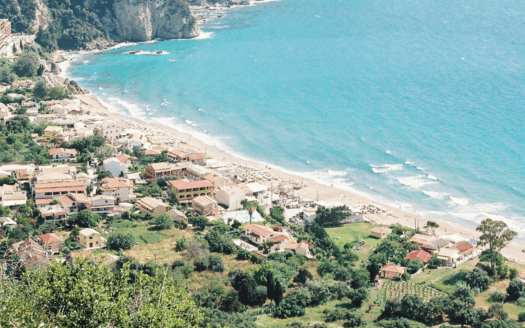
Corfu’s hilly terrain and sloping plots require creative design solutions. A multi-level villa is a great way to make use of the natural topography while providing privacy and unobstructed views.
-
Split-level homes: This design allows for the placement of bedrooms and living spaces on separate levels, providing natural separation between different areas of the home.
-
Terracing: On steep slopes, create stepped terraces that allow you to break the elevation down into manageable zones—each with its own space for outdoor living or planting.
Why It Works:
-
Blends with nature: Multi-level designs utilize the natural slope of the land, ensuring that the villa looks like it was always part of the landscape.
-
Privacy: With different zones or levels, you can create separate living spaces, increasing privacy for family members or guests.
2. Choosing the Right Materials for Coastal Homes
2.1. Durable and Coastal-Resistant Materials
Properties close to the sea are exposed to saltwater, which can significantly affect building materials over time. For a coastal property in Corfu, it’s essential to choose materials that are durable and resistant to the elements.
-
Marine-grade materials: Use marine-grade timber for decking, stainless steel for railings, and aluminum for window frames to prevent rust and corrosion.
-
Natural stone: Stone is an excellent choice for exteriors and floors due to its ability to withstand moisture and salt. Corfu is known for its traditional stone homes, so local stone can be a perfect match for new designs.
-
Breathable materials: In the humid coastal climate, choose lime-based plasters and breathable paints to allow moisture to escape and prevent mold build-up.
Why It Works:
-
Durability: Marine-grade and stone materials are built to last, ensuring that your coastal home can withstand the harsh coastal climate.
-
Aesthetic harmony: Using local materials gives the property a traditional Corfiot charm while meeting modern requirements for durability.
2.2. Energy-Efficient and Sustainable Features
Coastal properties benefit from natural cooling due to sea breezes. Incorporating sustainable design features will help reduce energy consumption and integrate the home more seamlessly with its surroundings.
-
Solar panels: Given Corfu’s sunny climate, solar panels can help power the home while reducing energy bills.
-
Green roofs: For multi-level homes, a green roof can help reduce energy consumption by providing additional insulation while also blending the home into the landscape.
-
Rainwater harvesting: Collecting rainwater for irrigation can be particularly useful in coastal areas where water use can be high.
Why It Works:
-
Energy savings: Sustainable features reduce ongoing costs while making your villa more eco-friendly.
-
Climate-responsive: Using natural ventilation, solar energy, and rainwater harvesting ensures the home performs efficiently in Corfu’s climate.
3. Incorporating Outdoor Living and Landscaping
3.1. Seamless Indoor-Outdoor Connection
Given Corfu’s mild climate and stunning views, outdoor living spaces should be an integral part of the design.
-
Outdoor kitchens: Create outdoor living areas complete with BBQ stations, dining areas, and even an outdoor fireplace for cooler evenings.
-
Decking and terraces: Large wooden decks, stone terraces, or wooden boardwalks can help connect the house to the landscape, allowing you to enjoy the outdoors year-round.
-
Infinity pools: Pools that blend with the landscape, offering a continuous visual connection to the sea, make for a luxurious coastal experience.
Why It Works:
-
Enhances lifestyle: Outdoor spaces that are fully integrated into the property provide a natural extension of the indoor living areas, perfect for entertaining or relaxation.
-
Maximizes views: Outdoor areas designed with the view in mind ensure that you make the most of Corfu’s breathtaking scenery.
3.2. Landscaping for Coastal Properties
The landscaping around a coastal villa should enhance the natural beauty of the land while respecting the local environment.
-
Native plants: Use drought-tolerant plants like olive trees, lavender, agave, and bougainvillea to create a low-maintenance, sustainable garden.
-
Terraced gardens: On sloped properties, terraced garden beds with native plants not only add beauty but also help prevent erosion.
-
Hardscaping: Incorporating stone pathways and dry-stone walls ensures that the garden integrates well with the local terrain and minimizes maintenance.
Why It Works:
-
Low maintenance: Native plants require minimal water and care, making them perfect for a coastal home.
-
Environmental harmony: Landscaping with native plants and materials ensures that your villa blends seamlessly into the Corfiot environment.
4. Conclusion: Designing Your Dream Coastal Villa in Corfu
Designing a coastal property in Corfu requires a thoughtful approach to ensure that your villa stands up to the elements while maximizing the stunning views and natural surroundings. From choosing durable materials to embracing energy-efficient design, every aspect of the villa should enhance both comfort and functionality.
By working with a skilled local architect who understands the nuances of Corfu’s coastal conditions, you can create a villa that is not only beautiful but also practical and sustainable.
For expert advice on coastal property design, site selection, and real estate in Corfu, visit Chase Real Estate Corfu.